-
Mastering hierarchies in IBM Planning Analytics (TM1)

With IBM TM1 10.2.2 end of support coming in September 2019 now is an ideal time to consider upgrading to IBM Planning Analytics.
-
Building a new Hierarchy with a new process
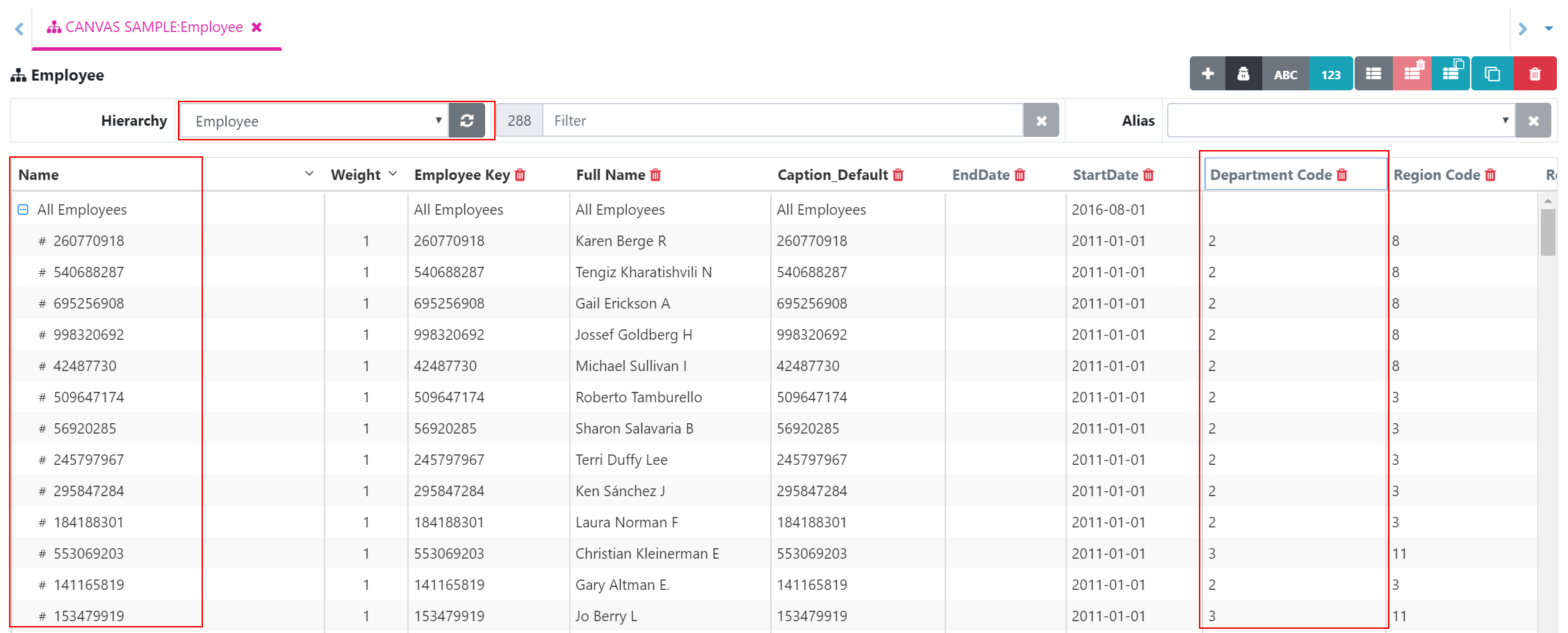
In this article you will learn how to build a new Hierarchy based on attribute values.
-
Randomise your data in an instant
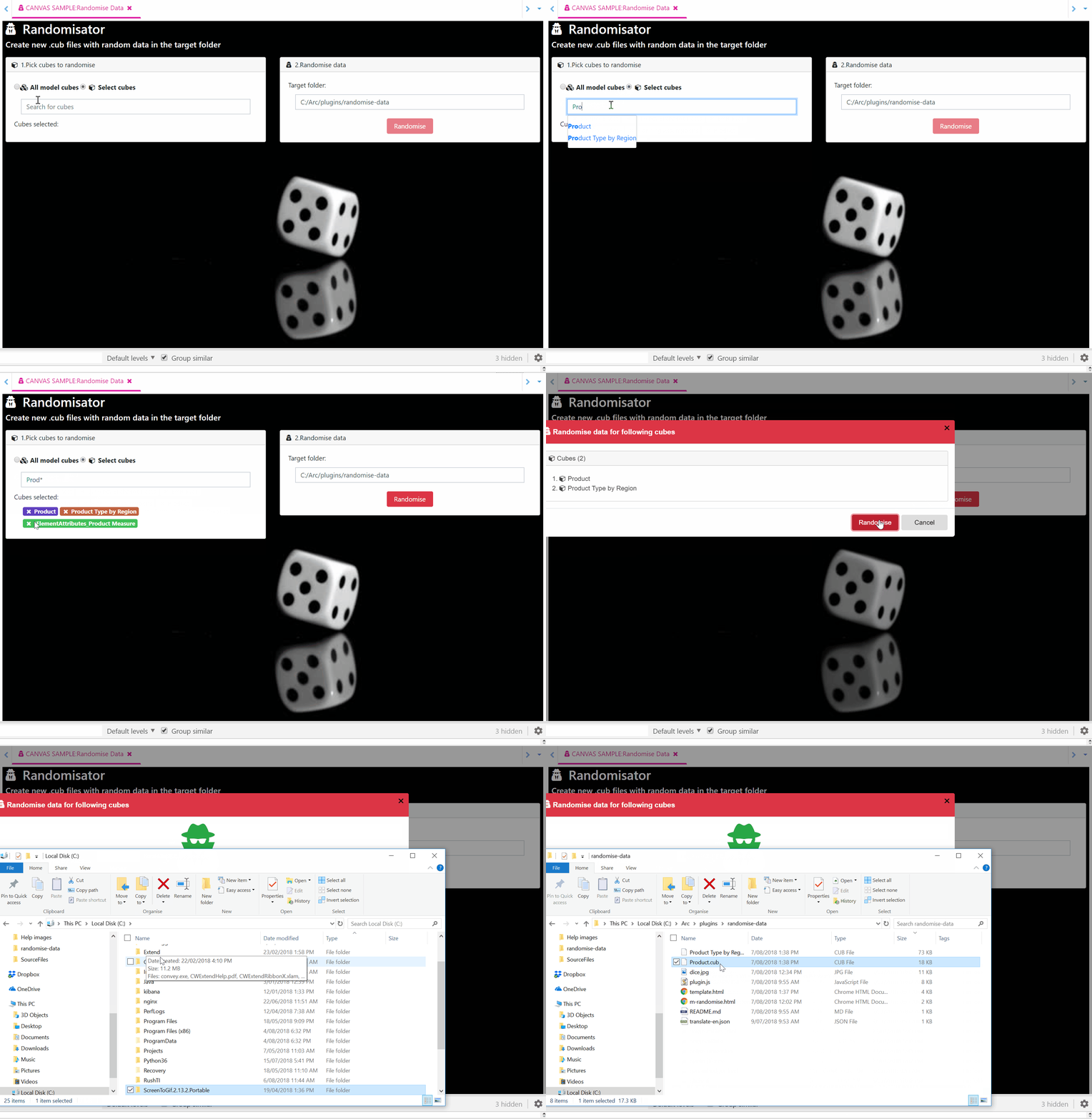
The most common reason why you would need to obfuscate/scramble your data is if you need to send your data to third parties. One way to do it, is to randomize the values. The metadata (cubes, dimensions and elements names) will still be intact but the data will be randomised.You could do it manually by…
-
Run processes in parallel using only one TM1 connection

Being able to run processes in parallel is one of the most powerful features of IBM TM1 and Planning Analytcs. Instead of loading one year of data with one process, you could run in parallel one process per month which will significantly speed up your loading time!
-
Using SSL with Canvas

You will need to add the following code between <Service and <Engine section:
-
Automate your daily forecast with Prophet

What is Prophet?
-
Optimization with TM1 and Planning Analytics
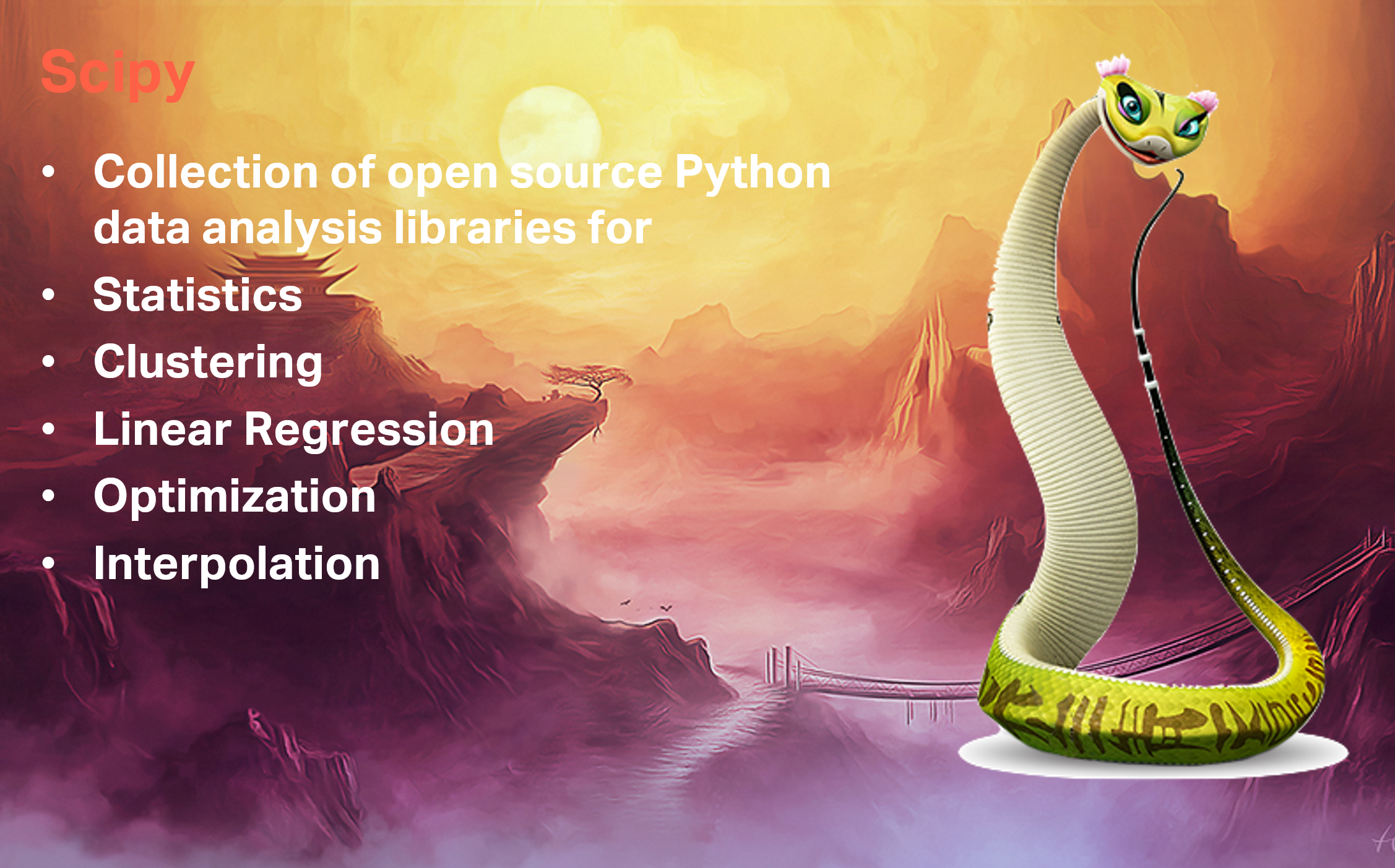
What is Scipy?
-
Classification and Regression with Scikit-Learn and TM1

A very good example has been done by one of our colleague Nicholas Renotte, you can find all the step through in this blog post:
-
Canvas 3 Released
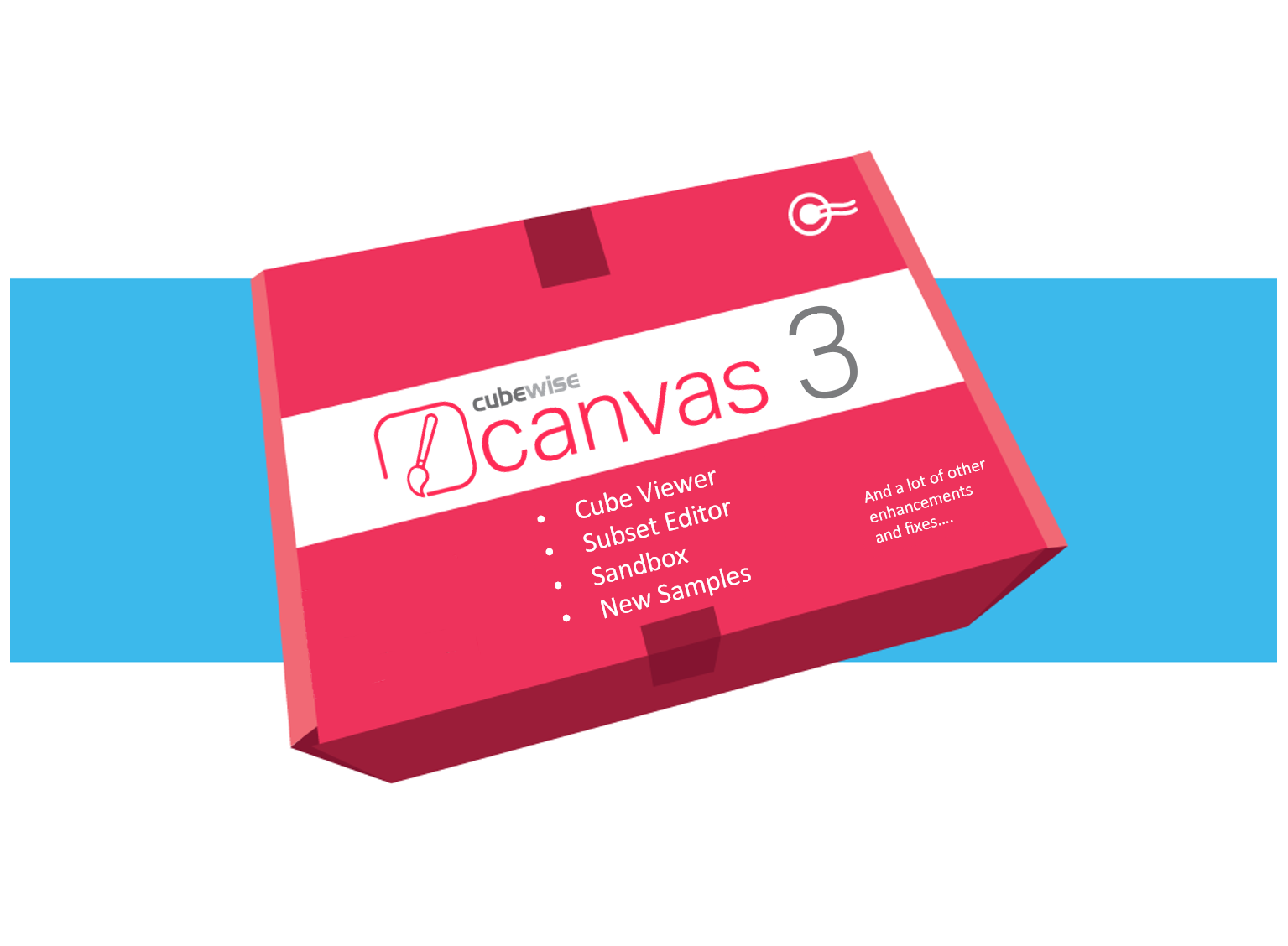
Canvas 2 was already a big step forward by making Canvas way faster and bringing a lot of new features such as reports bursting. Thanks to feedback from all our customers, this new version brings Canvas much further by adding two desired components – a whole new Cube Viewer and Subset Editor.
-
Using the Canvas subset editor
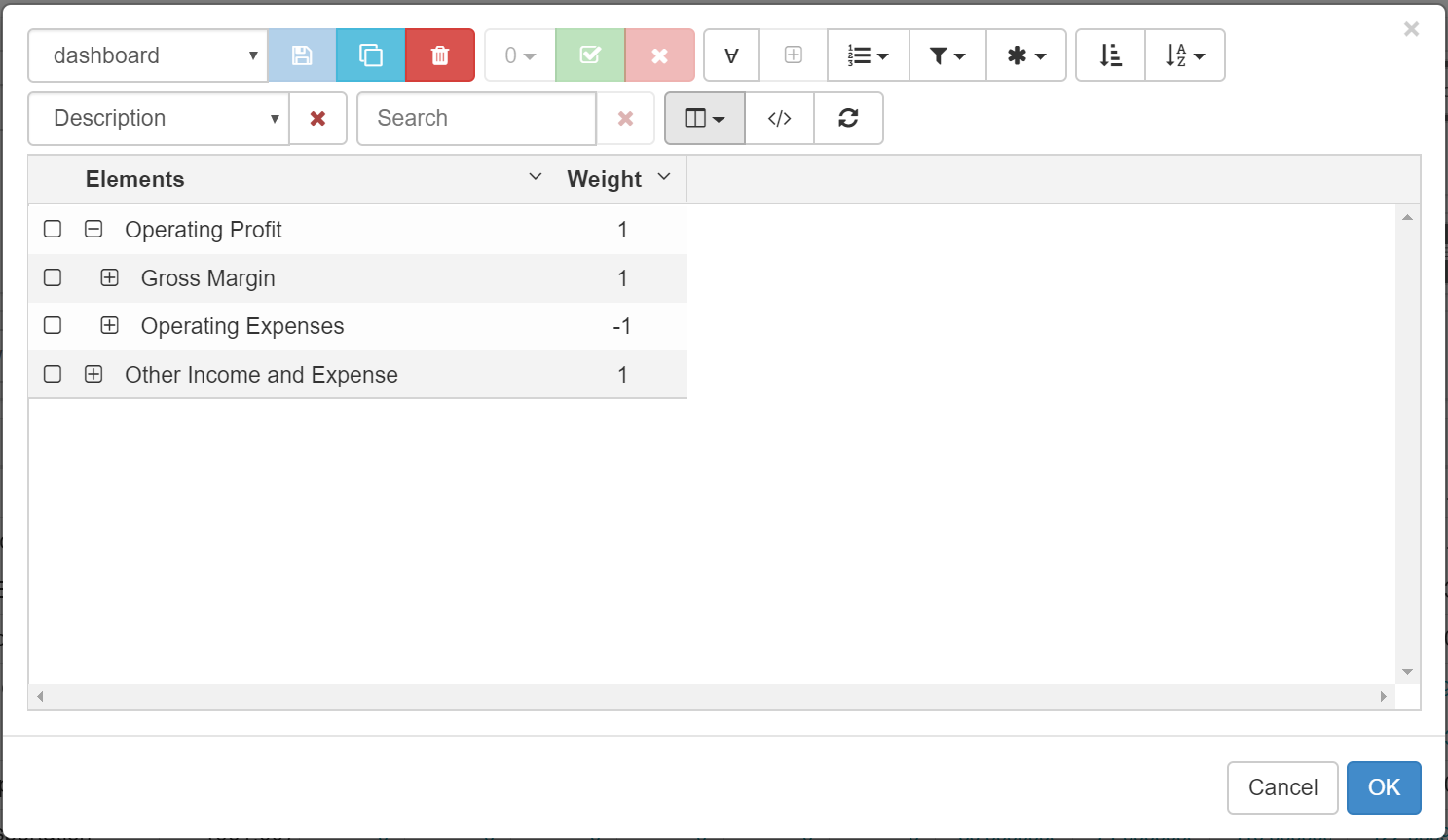
Like the cube viewer, the Canvas subset editor (introduced in v3.0.1), is built to generate MDX set expressions. Most of the functionality should be familiar to what you have experienced in Architect or Perspectives: all elements, filtering, ordering, etc.